Magnesium is another supplement that helps relax the body, and some people find it helpful in getting to sleep faster. Herbal teas such as chamomile or lavender can also help relax the body and promote better sleep. Getting a good night’s sleep after drinking alcohol can be challenging, but it is possible. It is important to plan ahead, exercise and eat before bed, take care of your sleep hygiene, and avoid drinking excessively.
year-old son rapes drunk mum sleeping in his bedroom
By contrast, fatigue mostly affects our ability to stay vigilant of the road and respond appropriately. It may be particularly dangerous in situations that require fast reflexes to avoid a crash. While Dave’s answer is perfectly fine, I’d say it’s not as pragmatic as what I’d suggest. The most important thing, however, is to not move the car an inch if the cops know you’re likely impaired.
How does alcohol affect sleep quality?
While a heavy meal before bed can disrupt sleep, a light snack can help stabilize blood sugar levels and prevent you from waking up hungry. Keep a glass of water by your bedside to sip on if you wake up during the night. Simple techniques like inhaling deeply through your nose, holding your breath briefly, and then exhaling slowly through your mouth can help calm your nervous system and make it easier to fall asleep. If you find yourself frequently inebriated or struggling to sleep due to alcohol consumption regularly, it might be time to seek professional help.
Drunk Person Sleep Safety: When and How to Let Them Rest

If you’re sober enough to comprehend what’s going on, these before-bed tips will give you the best chance of safely sleeping through the night. Having dinner with friends first and then planning to hit the bar? Have a few glasses of wine at dinner, and nurse a drink or two at the bar.
If you are looking for ways to get better sleep after drinking alcohol, then this article is for you. Here, we will explore the best strategies for getting a good night’s rest, even when you’ve had a few drinks. Certain positions can alleviate discomfort and reduce the risk of complications like choking or snoring. By choosing the right position, we can enhance our sleep quality and support our body’s natural recovery processes. Let’s explore the best sleeping positions to ensure we wake up ready to tackle the day ahead. Getting a good night’s sleep can sometimes be a challenge when you’ve had one too many.
Sleep deprivation vs. drunk states can have surprisingly similar effects on cognitive function and decision-making, underscoring the importance of prioritizing good sleep habits. This might involve setting strict limits on alcohol consumption, choosing lower-alcohol beverages, or learning to Sober living house enjoy social situations without relying on alcohol. Some people find it helpful to keep a drinking diary to become more aware of their habits and identify patterns that may lead to problems. At its core, peeing in sleep while drunk occurs because alcohol interferes with the body’s normal regulatory processes.
Other Tips to Enhance Sleep Quality When Drunk
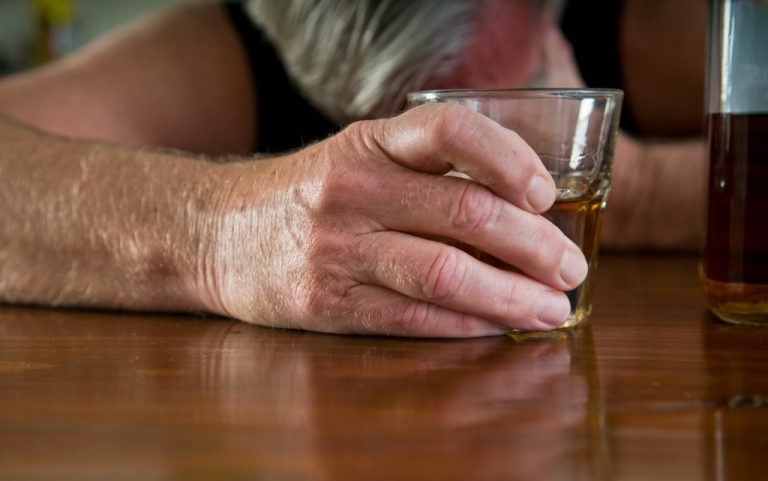
This practice can also help prevent dehydration, which is often a contributing factor to the discomfort experienced after a night of heavy drinking. Waking up to a soaked bed after a night of heavy drinking isn’t just embarrassing—it’s a sobering reminder that our bodies don’t always play by the rules when alcohol takes the wheel. This phenomenon, known as alcohol-induced enuresis or simply “peeing in sleep while drunk,” is a more common occurrence than many people realize. It’s a topic that’s often whispered about in hushed tones or laughed off as a rare mishap, but for those who experience it, the impact can be significant and distressing.
Food and non-alcoholic beverages play a crucial role in the sobering process. However, it’s important not to force food or drink on someone who is feeling nauseous, as this could lead to vomiting. There are some sleep aids that may help when drunk how to sleep you get better sleep after drinking alcohol. Melatonin is a hormone that can help reduce sleep latency, or the amount of time it takes to fall asleep.
- Some people find it helpful to keep a drinking diary to become more aware of their habits and identify patterns that may lead to problems.
- In addition to the dangers of falling asleep behind the wheel, drowsiness has serious effects on a driver’s attention, judgment, decision-making, coordination, vigilance, and reaction time.
- Drinking enough water throughout the day helps regulate your body temperature, supports kidney function, and ensures that your cells are well-hydrated—crucial components for getting quality sleep.
- So if you have half an Italian sub in your fridge and are prone to sleep eating, a few glasses of wine may make that sandwich mysteriously disappear.
After a night of drinking you can expect that urge to use the bathroom to kick in and disturb your sleep, especially in the early hours of the morning when you are in the lighter REM stages. If you wake up smelling like a bar, that is because alcohol can widen your skin’s blood vessels and increases your heart rate leading you to sweat more than the normal bear. When you awake you will be dehydrated no matter how many Gatorades you chugged before bed. A night out with friends, a few too many drinks, and suddenly you’re staring at the ceiling at 3 AM, wide awake and feeling anything but refreshed. Alcohol, while a social lubricant and a source of temporary relaxation, can seriously disrupt your sleep cycle. But don’t worry, getting some shut-eye when you’ve overindulged is possible.
On average, some people might be sweatier sleepers than others, and when drinking, those effects are only exacerbated, he explains. While they might’ve tasted great going down, you might suffer the consequences after hitting the sheets. You might find yourself tossing and turning, or running to the bathroom every hour or so. What’s more, because alcohol can interfere with your ability to sleep soundly, you typically wake up feeling groggy and fatigued. Hibernate customers know the importance of sleeping in a bedroom that’s completely pitch black and silent. Both caffeine and nicotine are stimulants that can interfere with sleep.
- Yes, track your alcohol intake, pace your drinks, and choose lighter options.
- You don’t want to be cleaning up vomit or broken glass unnecessarily.
- Using protective bedding or clothing as a precaution can provide peace of mind for those who are working on addressing their drinking habits but still concerned about potential accidents.
Prevention Strategies
Yes, drinking alcohol can make it harder to wake up the next morning. Alcohol disrupts sleep cycles and can lead to a feeling of grogginess and difficulty in waking up. Additionally, the effects of alcohol can linger for hours after the last drink, making it difficult to feel rested and alert the next day. To avoid this, it is important to drink in moderation and give your body enough time to metabolize the alcohol before going to sleep. There are several tips to help prevent a hangover after drinking alcohol. The most important one is to drink in moderation and not overdo it.